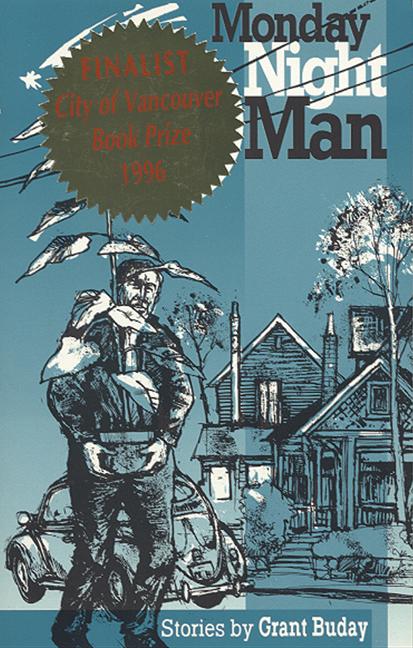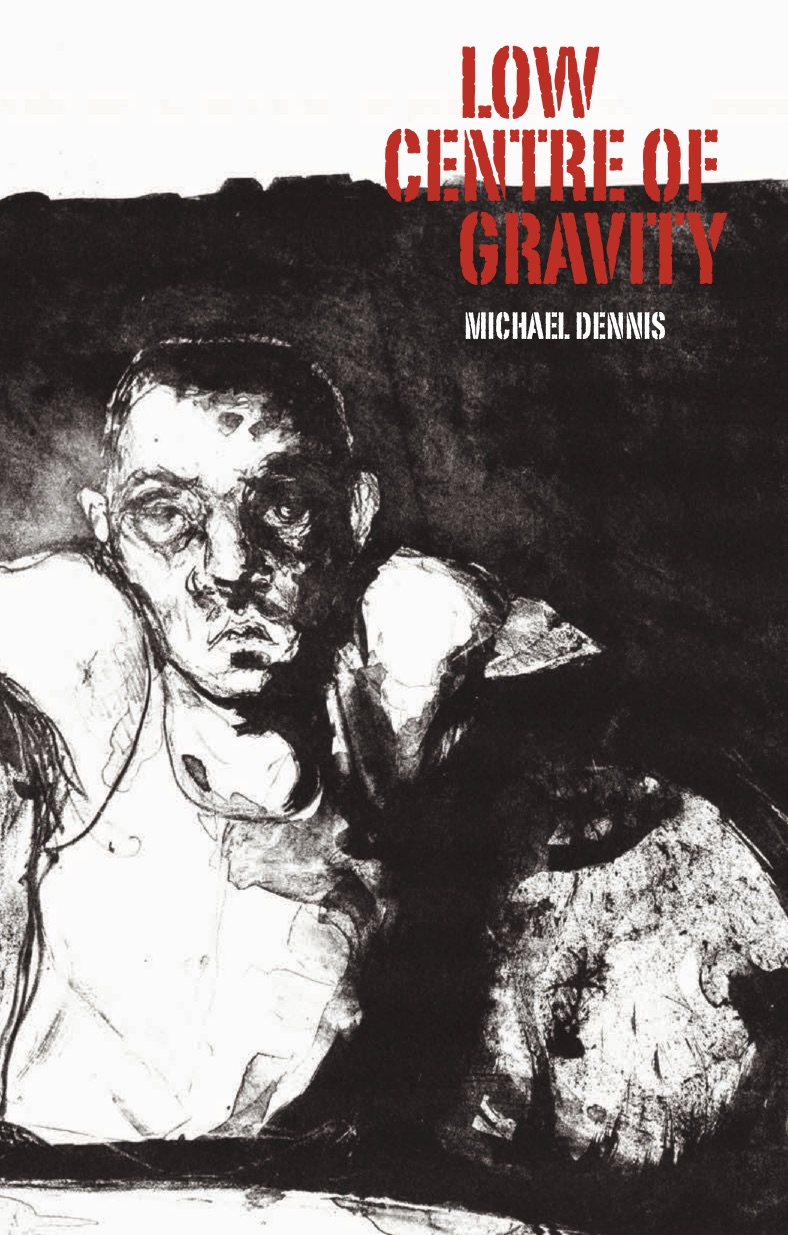
These poems ask the questions you’d really like answered, sauntering into the room and staking claim.
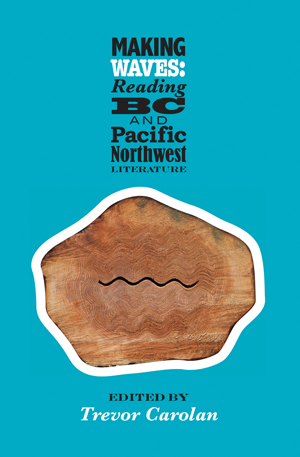
Making Waves offers a mosaic of fresh approaches toward shaping a new “literacy of place”—a more coherent understanding of B.C. and Pacific Northwest literature in the 21st century.
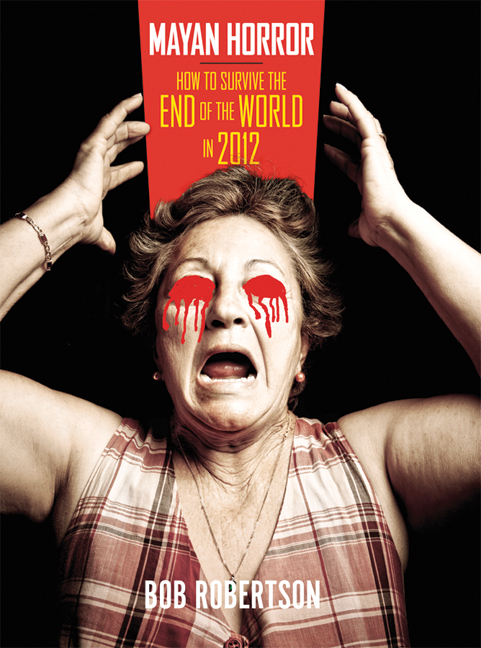
On December 21st, 2012 the eerily accurate Mayan Calendar, which goes back over 5,000 years, suddenly comes to a stop. Obviously this means only one thing: the world will end. What no one knows is how the world will end and that’s where this book will be an invaluable companion as the conflagration begins. Will it be a massive earthquake,
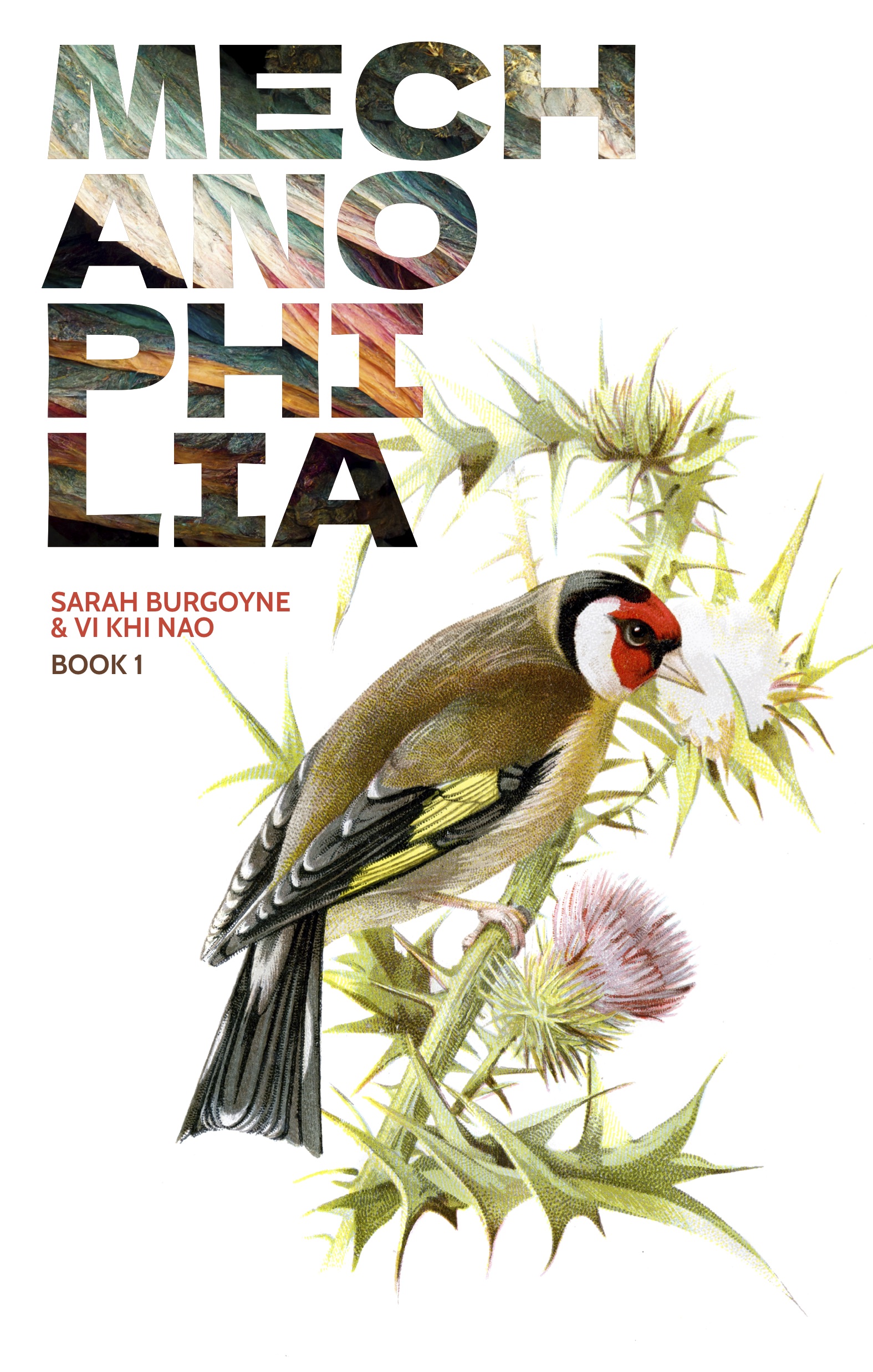
By Vi Khi Nao & Sarah Burgoyne
Using the numerical structure of pi, Mechanophilia is a collaborative epic by American poet Vi Khi Nao and Canadian poet Sarah Burgoyne (who have never met) that follows the omniscient conversations and complaints of ad hoc biblical characters as they attempt to make sense of themselves on an ordered, disordered planet.
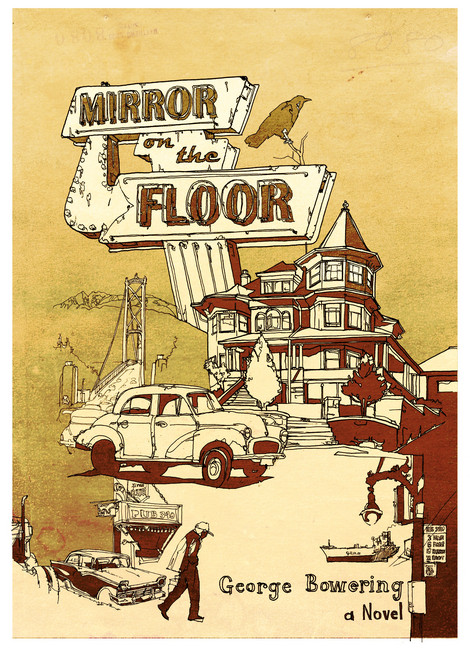
Originally published in 1967 by McClelland and Stewart, Mirror on the Floor was the first novel from an emerging young writer named George Bowering. Now with over 100 publications to his credit, we are proud to be reissuing Bowering’s debut novel.
Set in Vancouver in the mid-1960s, Mirror on the Floor vividly evokes the Vancouver of that era, when neon signs still shimmered on the rain-soaked streets and Theatre Row bustled with excited movie-goers.
By Niels Hav
Whether in longer poems or the briefest, Hav invites a reader to consider along with him the feeling of existence, its inevitable joy, sorrow, noise, silence, not in binary terms but as mixtures.
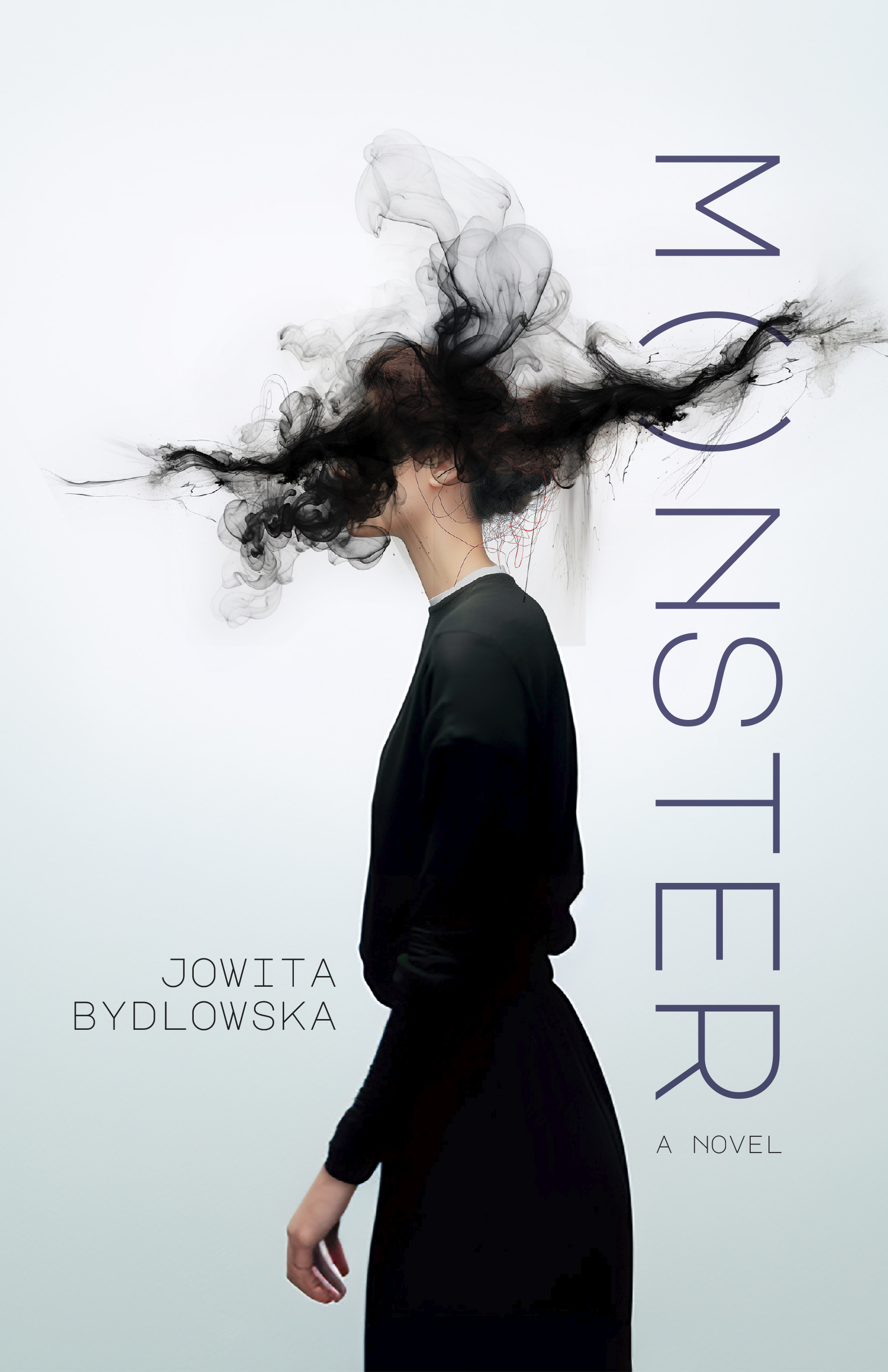
From the bestselling author of Drunk Mom and Possessed comes Monster, a mesmerizing, brave new work of autofiction. Monster is a shattering, feminist manifesto exploring sexual awakening, motherhood, immigrant trauma, and the power of female rage.
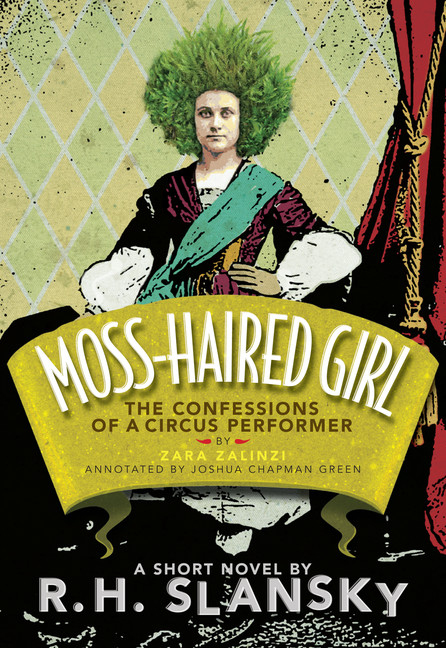
By RH Slansky
In this ambitious short novel, R.H. Slansky weaves a complex narrative about the very nature of narrative: it is an annotated re-issue of a fictional autobiography that casts a questioning eye on the reliability of family lore.
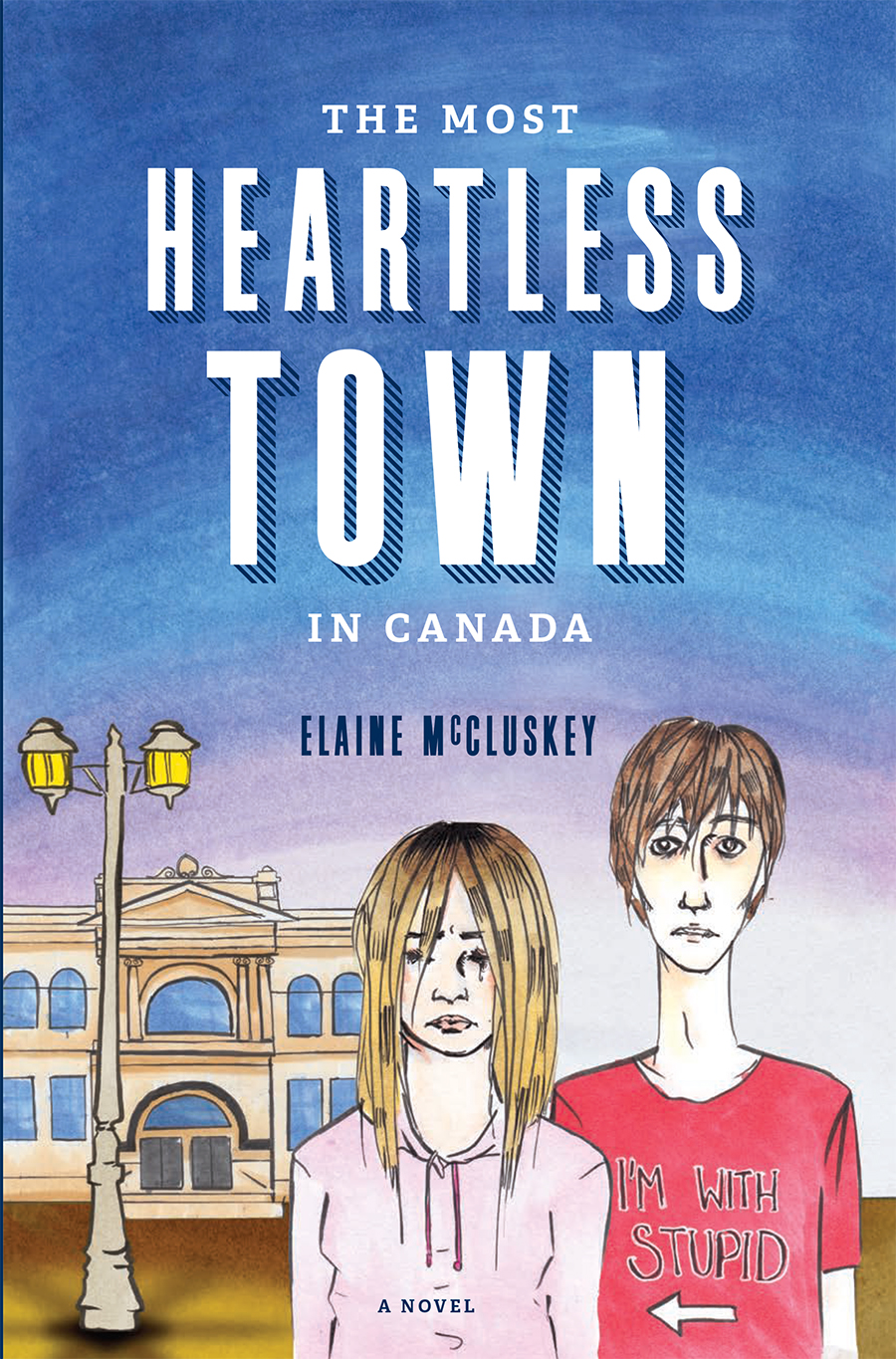
The story starts with a newspaper photo taken in an obscure Nova Scotia town after the murder of eight bald eagles. The bizarre photo wins a contest and, over time, the unidentified girl in the foreground becomes, like Diane Arbus’s Boy with a Toy Hand Grenade in Central Park, infamous. Rita Van Loon decides, after seven painful years, to explain herself and the events surrounding the murders.