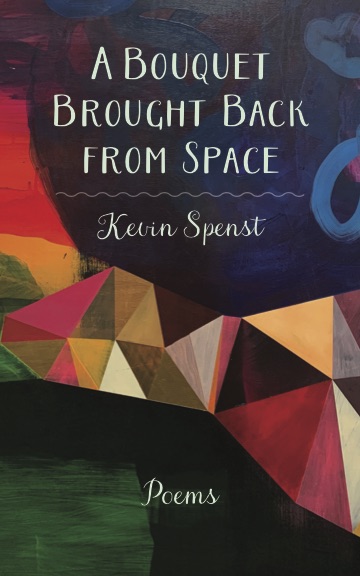
By Kevin Spenst
Playful in form and formed full of play, this fourth book of poetry by Kevin Spenst explores loss, love and faith through the palindrome, Madlib, Fibonacci, found poem, prose poem, sonnet and various strains of free verse.
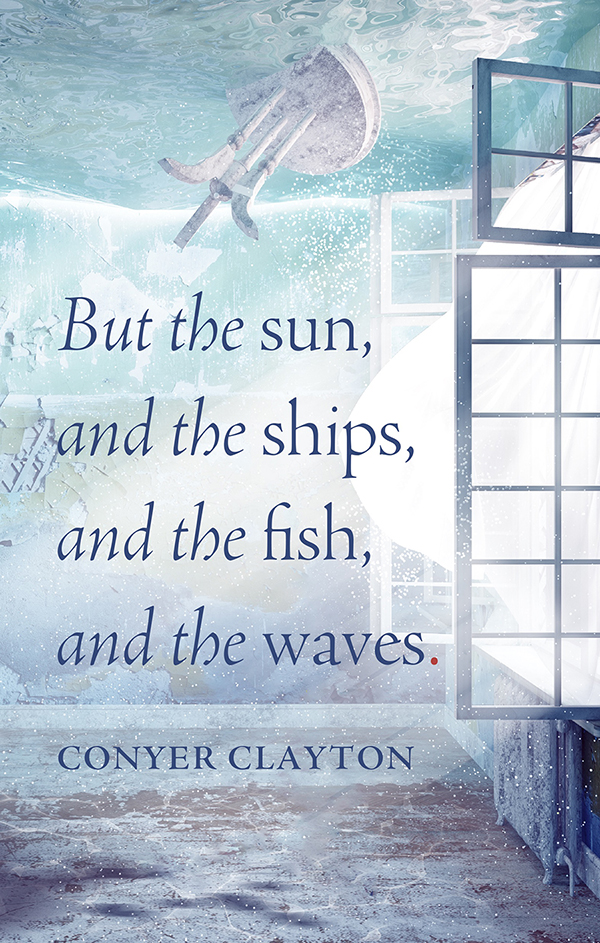
But the sun, and the ships, and the fish, and the waves, Conyer Clayton’s follow-up to her award-winning debut, We Shed Our Skin Like Dynamite, is a collection of prose poems that employs surrealism, humour, and body horror to cope with CPTSD, assault, loss, fear, and the memories of it all.
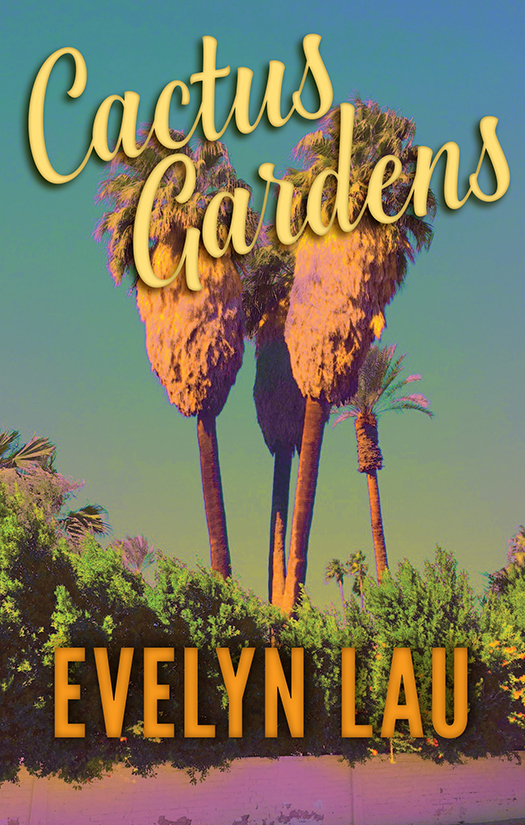
By Evelyn Lau
Set against a backdrop of shifting weather and a blasted, mysterious landscape, Cactus Gardens explores the complexity and intensity of personal relationships. The narrator drifts through a variety of locales, from a hospital ward to a lakefront hotel, a downtown condo, and restaurant patios, depicting friendships that are as meaningful and volatile as romantic entanglements.
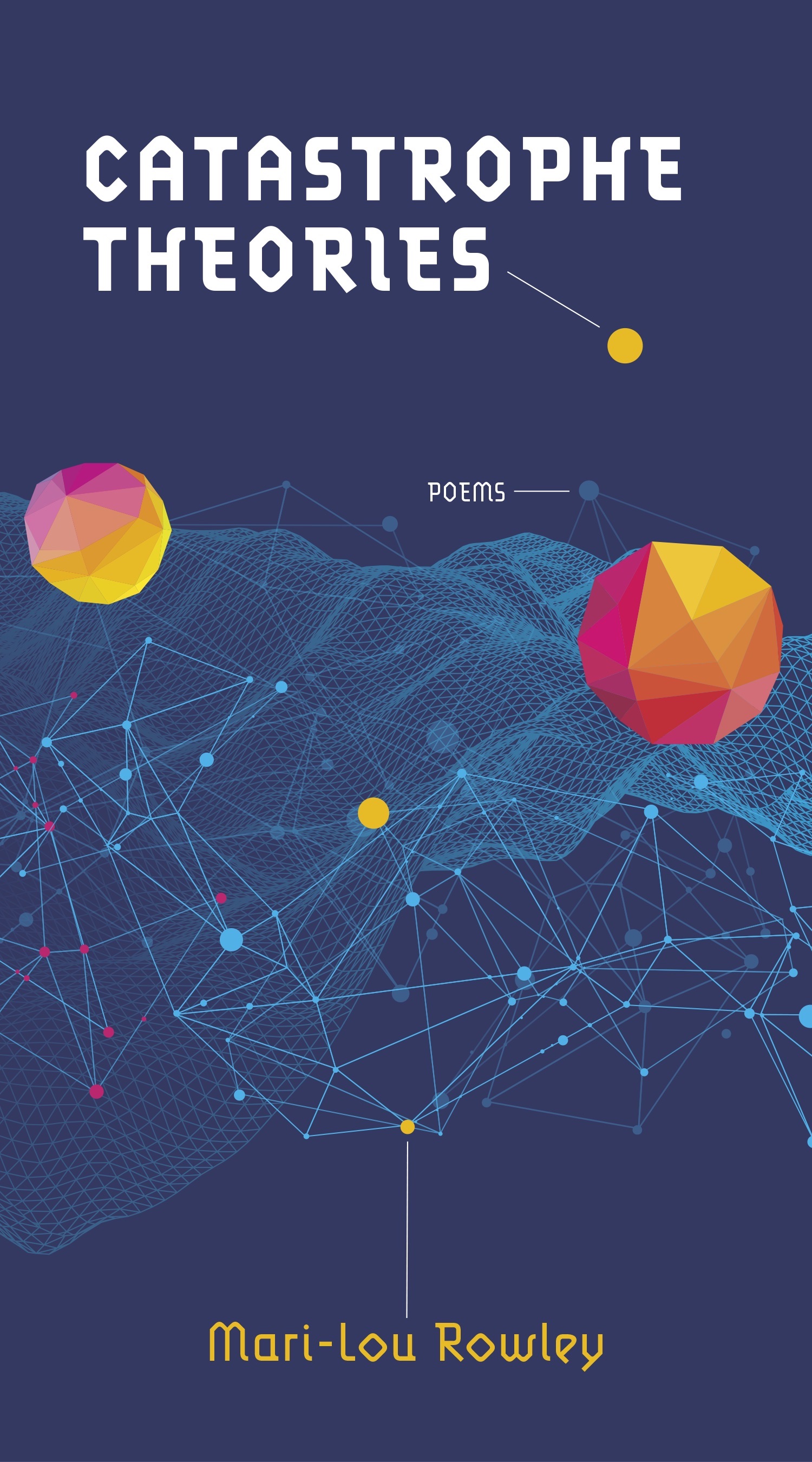
The poems in Catastrophe Theories reflect an increasingly unstable, surreal, and catastrophic world. Written over the past decade, the poems in Mari-Lou Rowley’s oracular work capture the zeitgeist of the moment. A world where human folly and frailty compete with corpocracy and technological determinism against the stubborn magnificence of the natural world.
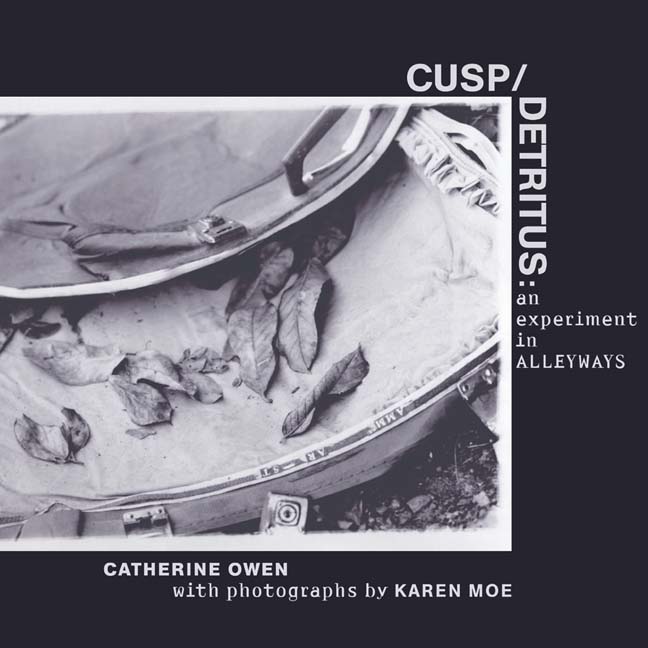
Rooted in the back alleys, squats and psychiatric wards of contemporary Vancouver and Montreal, these unyielding poems enter the intersecting tensions and intensities in characters such as Mike, a panhandler on Vancouver’s Commercial Drive, Matthew, a runaway punk, and Dara, a single mother.
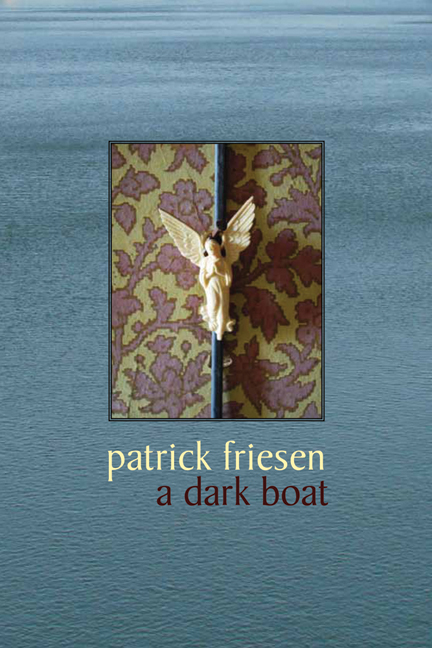
Heavily inspired by cante jondo (Spanish “deep song”) and Portuguese fado, these poems explore the kind of yearning that is contained in the Portuguese word saudad: a longing for something in the past that can never be found because time has shifted everything away from what it was.
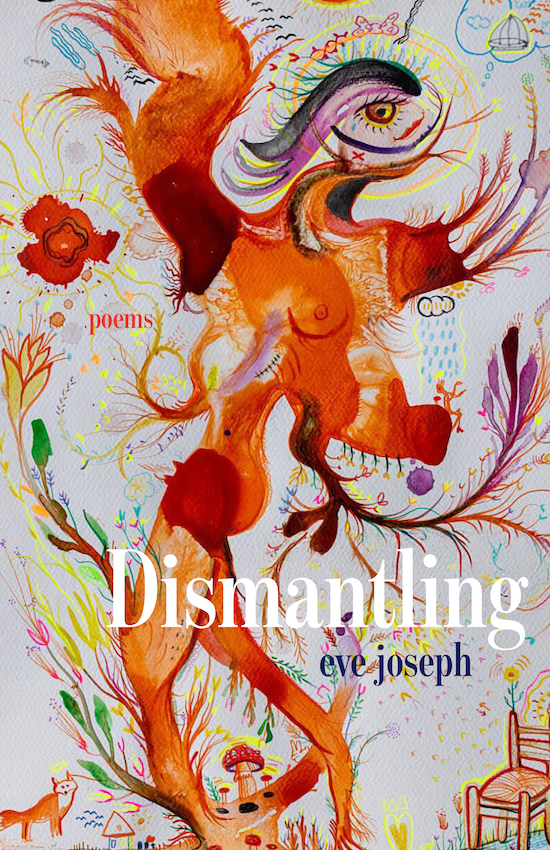
By Eve Joseph
In Eve Joseph’s latest book, the poet is occupied with the idea of poetic imagination and how that often elusive thing can transform the mundane into the mysterious.
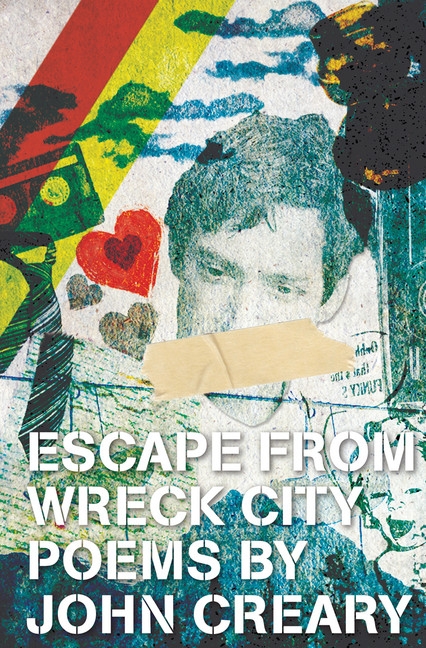
By John Creary
Sharp with insights that cut to the core of the matter, the poems in Escape from Wreck City – like the people who inhabit them – are ecstatically alive.
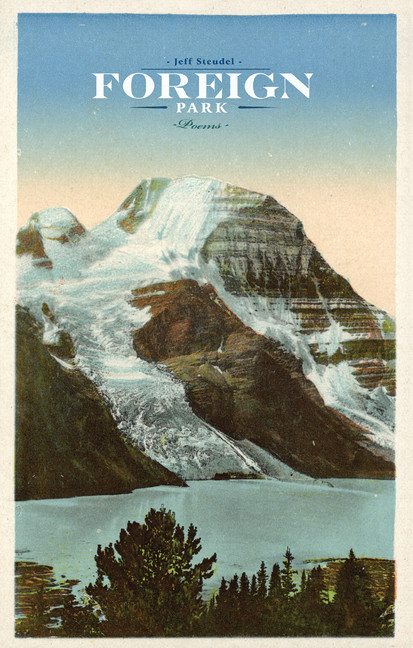
By Jeff Steudel
Foreign Park situates itself in an epoch where prior assurances of the natural world’s solidity begin to slip. Poisons enter the Fraser River Basin.